
In the northwest corner of the town , two streets that cross at right angles are preserved, marking the space occupied by the original nucleus of the town, founded in the 11th century. In the documents, they are mentioned with the shared name of Carrer de la Creu (Cross Street). This type of town organised around two streets at right angles was very common in the 10th-11th centuries, not only in Catalan territory but also in other countries, such as the area of present-day Italy, for example.
The town probably arose in parallel with the renovation of the monastery and the construction of a new church. The monastery not only needed labour for these works but also required people to work the lands, exploit the riches of the sea, and pay taxes; hence the interest in favouring the creation of a town. There are indications that the town had walls, with square towers, but for the moment, we do not have any archaeological proof of this.
Hardly anything remains of its original houses, which have been extensively remodelled over time. The structure that can be seen corresponds mainly to its final appearance, significantly rebuilt in the 16th century.
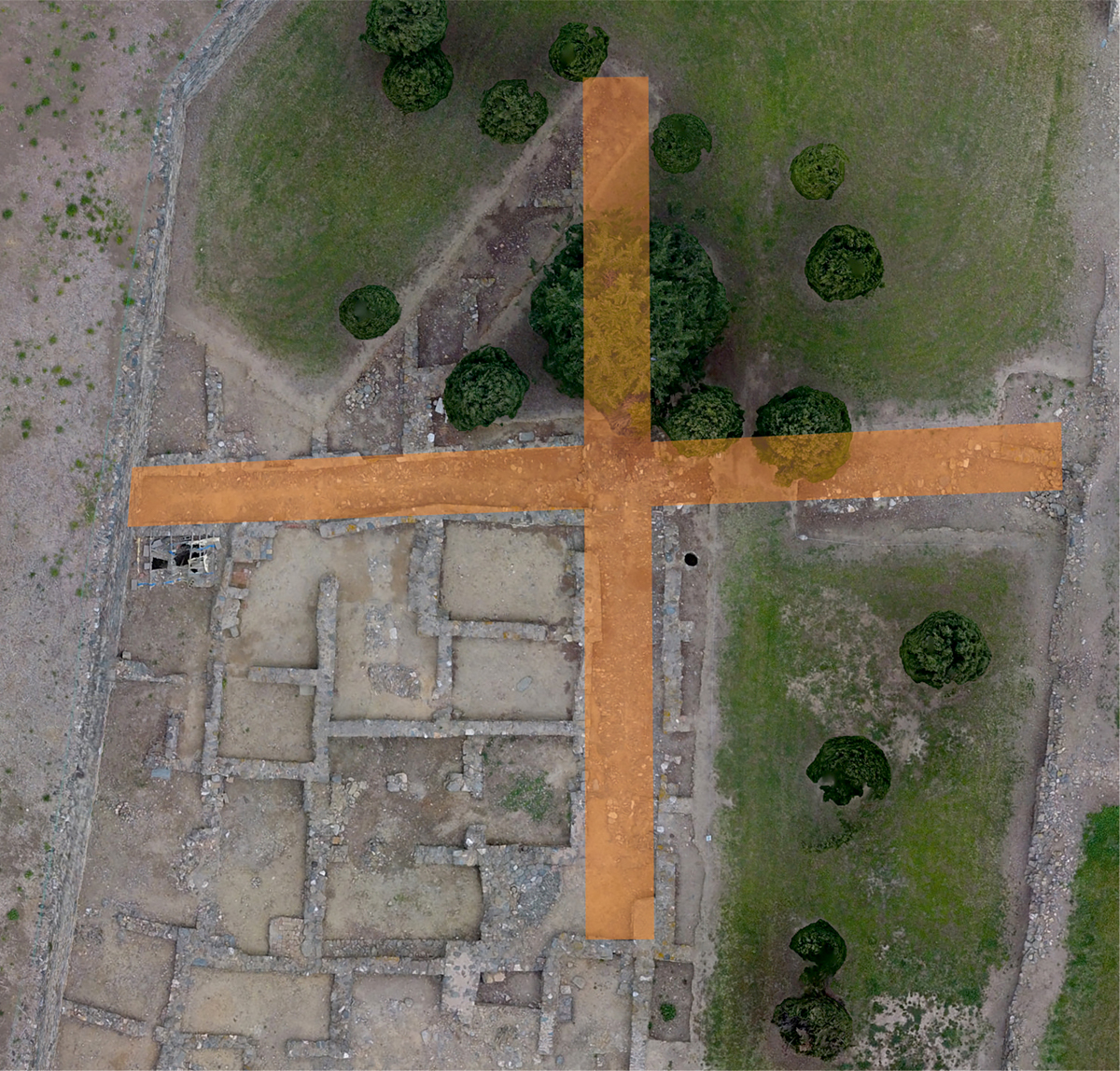
Source: CRAPA.
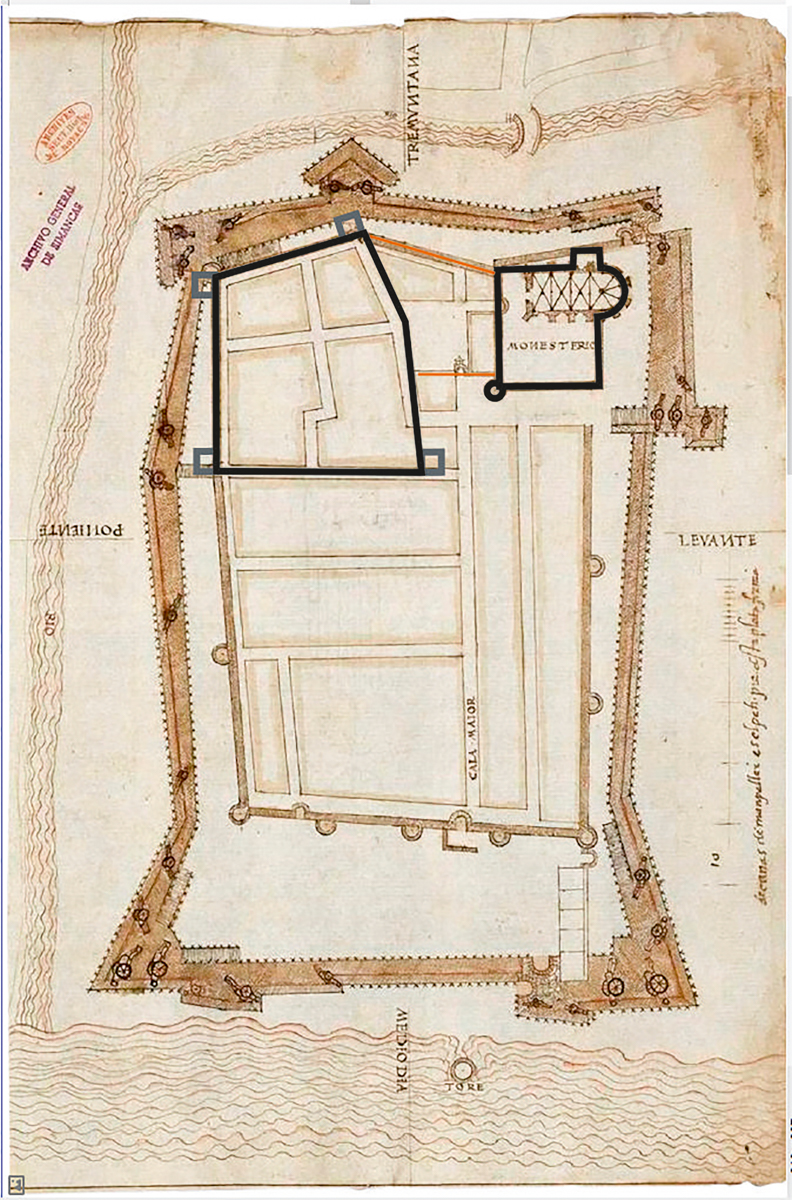
Source: Biblioteca Virtual Defensa-CRAPA.
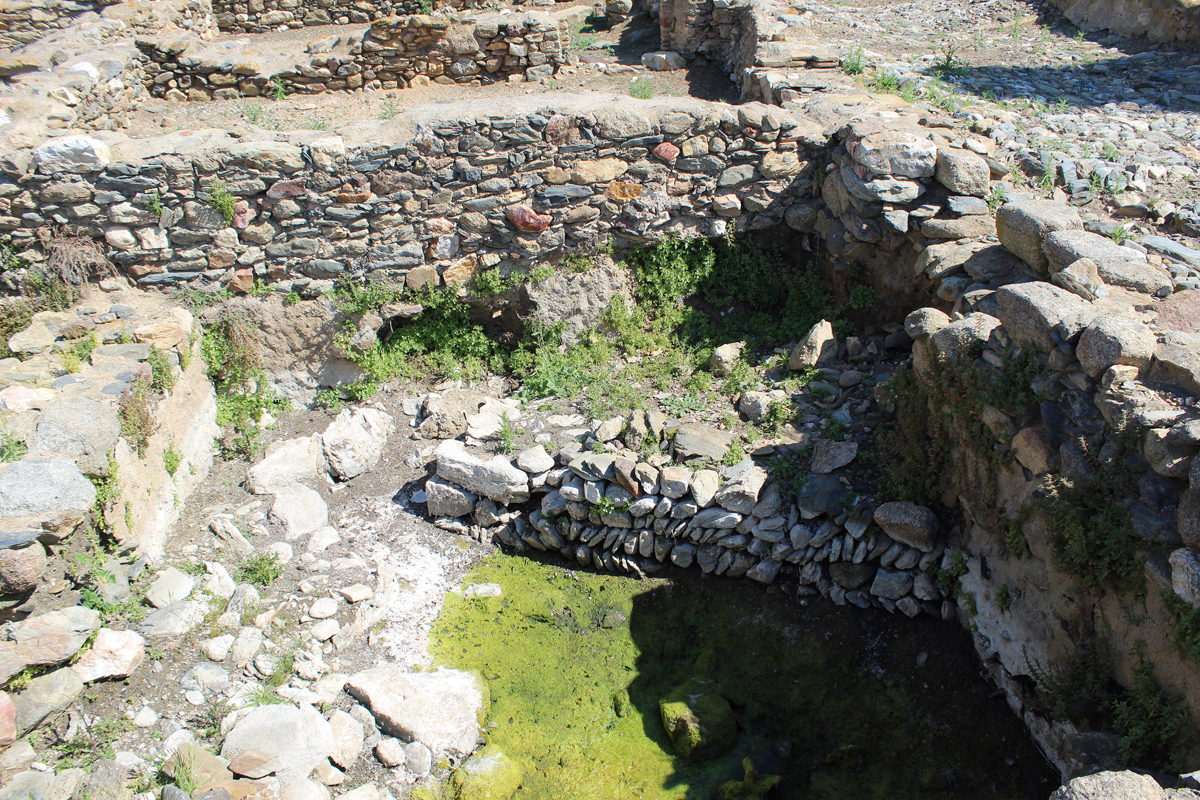
Source: CRAPA.